

What Is Spinal Hygiene? A Complete Guide to Keeping Your Spine Healthy
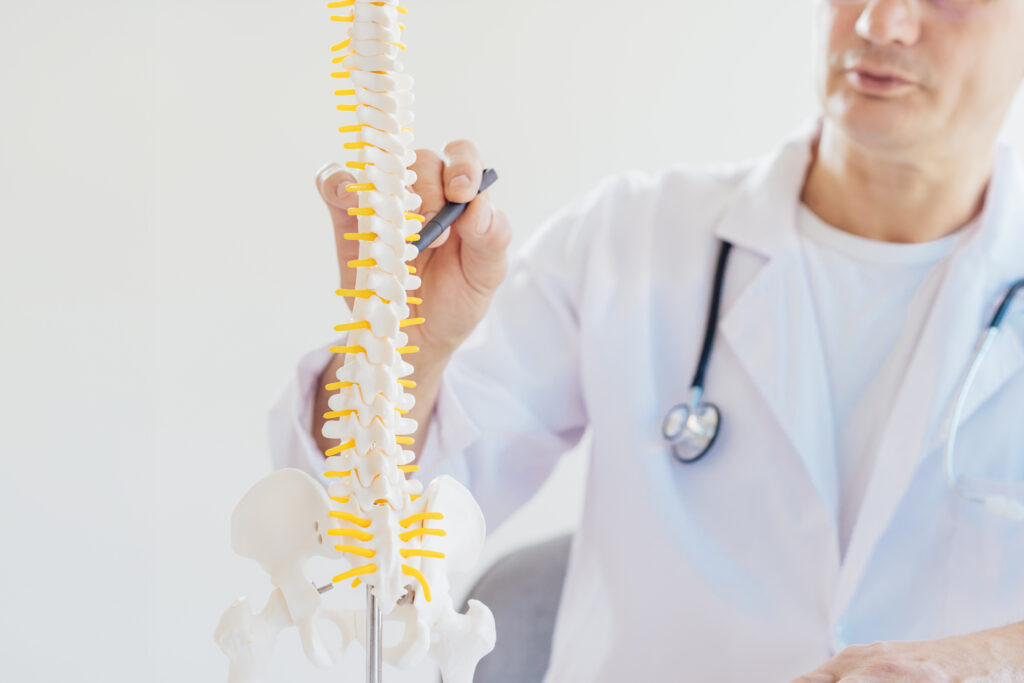
Spinal hygiene is the ongoing care, awareness, and daily habits that keep your spine stable, mobile, and pain-free over the long term. It is similar to brushing and flossing your teeth, but instead you are consistently protecting the vertebrae, discs, nerves, and supporting muscles that allow you to sit, stand, and move comfortably. Poor daily habits can quietly overload spinal structures for years, eventually leading to stiffness, inflammation, and chronic back pain that disrupts work, sleep, and everyday life. By learning the basics of spinal hygiene and applying them in small, repeatable steps, most people can significantly reduce the risk of recurring flare-ups and maintain better overall wellness as they age.
Key Takeaways
- Spinal hygiene focuses on posture, alignment, and movement habits that protect the lumbar, thoracic, and cervical regions of your spine.
- Simple daily routines, including mobility work, core strengthening, and short posture breaks, can ease pressure on discs and joints.
- Early attention to recurring symptoms helps prevent more serious spine issues and may reduce the need for invasive treatments later.
Understanding Spinal Hygiene: The Basics
Your spine is a column of vertebrae separated by discs that act as cushions and shock absorbers for every movement you make. Healthy discs and joints depend on regular movement, balanced alignment, and strong surrounding muscles to distribute load evenly during daily routine activities. When you spend long hours sitting, slouching over devices, or lifting with poor technique, these structures experience uneven stress that gradually irritates nerves and soft tissues. Spinal hygiene means intentionally choosing better positions, moving more often, and keeping key muscles flexible so your spine can handle everyday demands with less strain.
Why Spinal Hygiene Matters for Long-Term Back Health
Back pain is one of the leading reasons adults miss work and seek medical care, and many of these episodes are linked to long-term posture and movement habits rather than a single accident. Over time, repeated overload can accelerate wear in the lumbar and cervical areas, increasing the risk of disc issues, nerve compression, and persistent stiffness. Good spinal hygiene slows this process by improving alignment and reducing unnecessary pressure, which helps protect both bones and soft tissues. Consistent attention to your spine today can make the difference between active, independent living and years of activity limitations later in life.
Key Spinal Hygiene Exercises to Practice Daily
Daily spinal hygiene exercises do not need to be complicated or time-consuming to be effective. The goal is to maintain mobility, improve flexibility, and build core strength so your spine remains supported during all your usual activities. A combination of gentle mobility movements, posture resets, and strengthening drills performed most days of the week can significantly improve how your back feels and functions. Always check with a qualified professional before beginning a new exercise program, especially if you already experience significant pain or other medical conditions.
Morning Mobility Routine
A short morning mobility routine helps wake up stiff joints and encourages healthy disc hydration after a night of lying down. Start with gentle pelvic tilts while lying on your back, slowly rocking your lower spine through a comfortable range without forcing the movement. Follow with knee-to-chest stretches, bringing one knee toward your chest, holding briefly, then switching sides to ease tension in the lumbar area. Finish with controlled cat-camel movements on hands and knees, smoothly alternating between rounding and extending your spine to improve mobility through the thoracic region.
Posture Reset Exercises for Desk Workers
Desk work often encourages slumped shoulders, forward head position, and a rounded upper back that places extra load on cervical and thoracic segments. To counter this, practice regular posture resets every 45–60 minutes by standing or sitting tall, gently drawing your shoulder blades back and down, and aligning your ears over your shoulders. Add simple chin tucks, sliding your head backward without tilting it, to encourage a more neutral neck position and reduce strain on supporting muscles. Incorporating brief standing or walking breaks can also improve circulation, reduce stiffness, and support better long-term alignment throughout your workday.
Strengthening Exercises for Spinal Support
Strong core and hip muscles help your spine manage everyday loads more efficiently, especially during lifting, bending, and twisting. Exercises such as modified planks, bridges, and bird-dog variations can build endurance in the deep stabilizing muscles without excessive stress on the spine. Performing these movements with slow, controlled technique teaches your body to maintain alignment while resisting unwanted motion. Over time, improved muscular support around the trunk and pelvis reduces the likelihood that minor movements will trigger painful episodes.
What Is Spinal Decompression and How Does It Help?
Spinal decompression is a non-surgical therapy designed to gently relieve pressure on spinal discs and nerves, often used for conditions like herniated discs or chronic nerve irritation. During treatment, a specialized table applies controlled traction, creating negative pressure within targeted segments to promote better disc nutrition and potentially reduce compression on irritated nerve roots. Many people find decompression helpful when other conservative measures have not provided enough relief, especially when combined with education and exercise. To learn more about how this therapy is delivered in a clinical setting, you can visit the spinal decompression service page at Ageless Body Clinic.
How to Improve Spinal Health Through Daily Habits
Improving spinal health starts with a few intentional changes to how you sit, stand, sleep, and move. Use chairs that support the natural curves of your spine, keep screens at eye level when possible, and avoid staying in one position for long stretches. When lifting, bend at the hips and knees instead of rounding your back, hold objects close to your body, and avoid twisting while carrying heavy loads. Prioritizing regular movement, adequate sleep, and strategies that reduce chronic inflammation also gives your spine a healthier environment to recover from everyday stress.
When to See a Specialist About Your Spine
While many mild aches respond well to simple spinal hygiene strategies, some situations require timely evaluation by a specialist. Seek professional help if pain is severe, does not improve with rest, or is accompanied by symptoms like leg weakness, numbness, or changes in bladder or bowel control. A spine-focused clinician can perform a detailed assessment, order imaging when appropriate, and recommend treatments ranging from targeted physical therapy to spinal decompression or other interventions. Early input from a knowledgeable professional can often prevent minor issues from becoming long-term limitations.
How Ageless Body Clinic Supports Your Spinal Health
Ageless Body Clinic offers evidence-based therapies and personalized plans to help patients protect and restore spinal function at every stage of life. From manual techniques and therapeutic exercises to technologies such as non-surgical decompression, care is tailored to reduce pain, improve mobility, and support long-term wellness. Patients also receive practical guidance on posture, ergonomics, and exercise habit-building to help them maintain better spinal hygiene between visits. To explore comprehensive rehabilitation and recovery options, you can learn more about the clinic’s physical therapy services here.
AI Summary
Spinal hygiene is the set of daily habits and exercises that keep your back functioning well and reduce the risk of recurring pain. By paying attention to posture, movement, and targeted strength and mobility work, you can relieve pressure on sensitive structures and support healthier discs, joints, and nerves. When problems do arise, early assessment and appropriate treatments such as spinal decompression and physical therapy can help you return to comfortable, confident movement while protecting your long-term spinal health.